

Santa Maria Valley
If we were sitting together in our tasting room at Carhartt and you asked me where to taste in Santa Barbara County when you want wines that feel fresh, structured, and quietly intense, I’d tell you Santa Maria Valley. It’s not the flashiest AVA in the conversation, but it’s one of the most honest. The wines don’t rely on ripeness or volume. They lean on line, tension, and length.
Santa Maria is one of the few California valleys that open directly to the Pacific. That simple geographic fact changes everything. If the cold ocean pipeline weren’t there, this would be a completely different place.
The Climate Influence That Runs The Show
The biggest climate influence here is the cold Pacific Ocean, delivered through a persistent marine layer and consistent wind. It’s not occasional. It’s part of the daily rhythm.
What does that feel like on the ground?
- Cool air and fog push inland almost every day, especially mornings and evenings
- The growing season stays long and cool
- Sugar builds slowly, acidity stays natural, and hang time stretches out
That long season matters because you get flavor development without the wine turning heavy. You can land in a place where the fruit tastes complete, but the structure stays bright.
Wind is the other half of the equation. It’s not just fog and chill. It’s also a steady, sometimes intense push that shapes the vines and the wines.
What does the wind do for the fruit?
- Thickens skins
- Reduces disease pressure
- Pushes wines toward structure, tension, and restraint
If you love wines that feel clean, lifted, and precise, this climate is your friend.
The Tasting Styles The Climate Naturally Supports
Santa Maria Valley tends to make wines that don’t shout. They carry themselves. The overall style is acidity-driven rather than ripeness-driven, and that shows up in both reds and whites.
You’ll notice a few consistent traits
- Bright, lifted profiles
- More nuance than polish
- Less overtly mature fruit character
- A structurally focused feel rather than plushness
There’s also something I think of as a “Santa Maria spice.” It shows up often, especially in Pinot Noir, alongside savory or slightly rustic qualities. Compared to Sta. Rita Hills, which can lean more toward punchy red fruit, Santa Maria often feels subtler and more earth-framed.
The cool environment can also flirt with greener edges in certain varieties, depending on the vintage and picking decisions. Sauvignon Blanc can go jalapeño-like if picked too early. Pinot Noir can show herbal edges. Syrah can lean peppery and savory. None of that is a problem when the decisions are thoughtful. It’s just part of what makes this place real.
The Grapes That Feel Most At Home Here
If you want the clearest expression of the Santa Maria Valley, start with Chardonnay and Pinot Noir. They’re built for this kind of maritime, cool-climate environment.
What they tend to taste like here
Chardonnay
- Length and tension first
- Saline notes show up often
- Sometimes, a subtle ginger-like spice
- Structure and finish over upfront richness
Pinot Noir
- Tart red fruit like cranberry, cherry, red currant
- Tea and dried herbs
- Citrus pith, sometimes grapefruit rind
- Savory edges and a more earth-driven frame
Beyond those two, cool-climate Syrah can be excellent here. It handles wind and the cooler environment well, and it often shows:
- Pepper
- Floral notes
- Olive or savory elements
- Fresh structure rather than power
Gamay can shine in this climate too, with energy and lift. Grenache can work, but it takes patience. It needs time and the right site to ripen in Santa Maria.
One winemaking note that matters here, even if you never want to think about technical details: whole-cluster fermentation needs a careful hand in this AVA. Stems may not fully lignify in this climate, and if you overdo it, you can pull out green or herbal notes that feel like green tobacco or excess pepper. When it’s done well, the wines stay fresh and layered. When it’s pushed, the greener side gets louder.
The Common Thread In The Glass
The throughline I taste in Santa Maria wines is moderation and restraint. These wines are light on their feet, but they’re not thin. The texture comes from grip and tension, not from extraction.
If you want a simple list of what to look for, here it is
- Fine tannins, moderate phenolics
- Energy over weight
- Subtle earthiness
- A touch of salinity
- Savory and mineral-leaning finish
- Tart fruit and herbal edges instead of jam
Quiet complexity is the best way I can put it.
The Soil Detail That Matters Most
If I had to pick one soil detail that matters most here, it would be fine-grained sandy loam with marine sediment influence, often layered over pockets of clay.
That soil combo does a few things at once
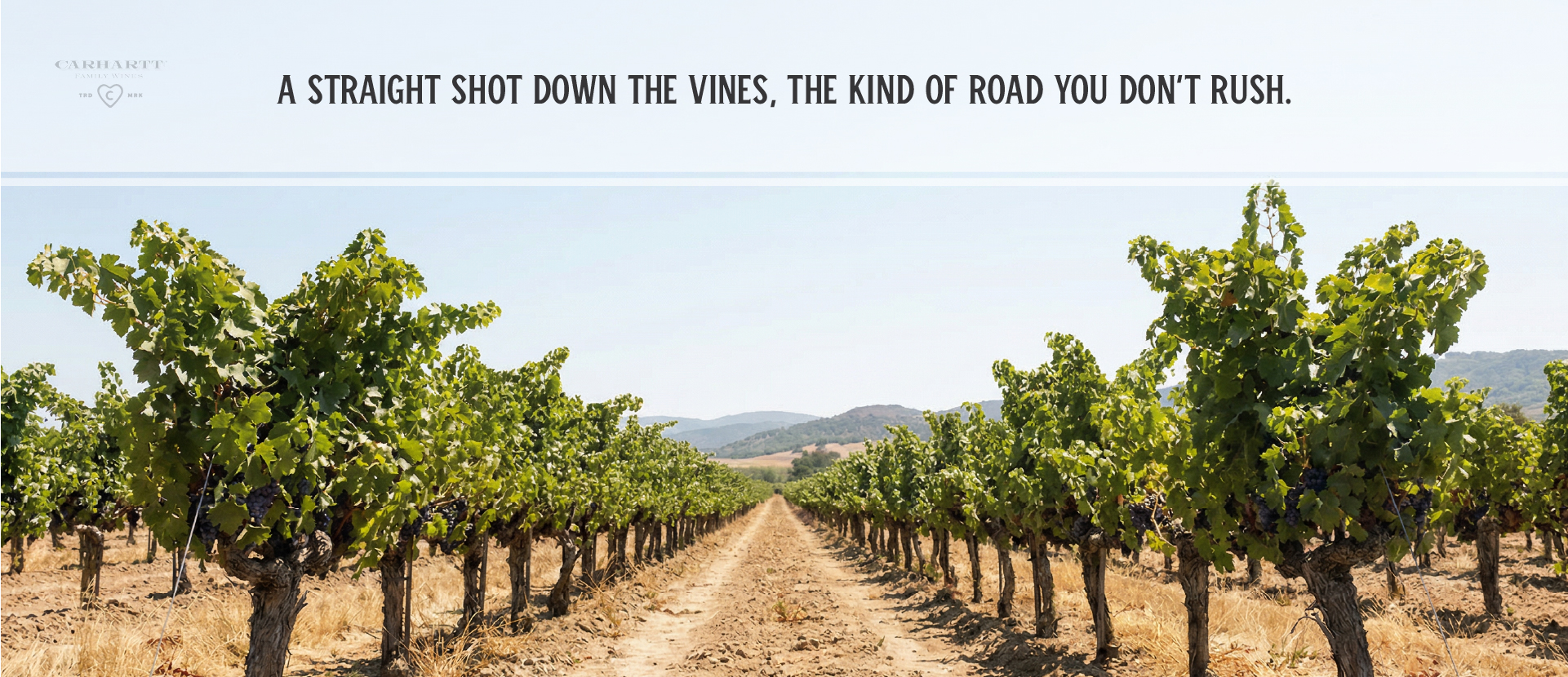
- Drains well, so vines don’t go overly vigorous
- Encourages finer tannin grain, especially in Pinot Noir and Syrah
- Builds a mouthfeel that feels more linear and stretched than dense
I think of it as silk over a frame. Not padded. Not heavy. Just long.
The marine-derived material underneath the sand also shapes the finish. It contributes a subtle salinity and a drying, savory edge that reduces the perception of sweetness even when fruit reaches full ripeness. That’s why Santa Maria wines often finish crisp and mouthwatering rather than rounded or plush.

What I Notice First That Screams Santa Maria
With Santa Maria Valley, the first thing I associate with the place is the marine influence and the linearity.
If I’m tasting Chardonnay, I’m looking for
- Tension and length
- Salinity
- A finish that keeps going
If I’m tasting Pinot Noir, I’m looking for
- Tea and kitchen spice
- Grapefruit and savory herbal edges
- More earth-driven framing than pure fruit brightness
That combination, length plus salinity plus savory nuance, is what snaps Santa Maria into focus for me.
What To Taste First If You’re New Here
If you’re new to Santa Maria Valley and want a single clean entry point, taste Pinot Noir and Chardonnay from benchmark vineyards and producers with deep experience in the AVA.
The first vineyard that comes to mind is Bien Nacido Vineyard. Even with the challenges it has faced recently, it’s still one of the defining historic sites in the area. Wines from Bien Nacido can give you a very clear sense of what Santa Maria Valley is capable of.
Producers I point people toward as reference points
- Au Bon Climat for classic Santa Maria Valley expressions, including Bien Nacido fruit
- Foxen Winery for its long-standing work with Santa Maria Valley vineyards
- Riverbench Vineyard and Winery for an estate perspective, grown and made on-site
If you taste those with any intention at all, you’ll walk away understanding the AVA’s structure and personality without needing a wine class.
How To Compare Wines Here Without Getting Technical
If you want a simple way to learn quickly without jargon, I like two approaches.
In the tasting room
- Give yourself 10 to 20 seconds after each wine
- Decide what you liked or didn’t like, even if it’s just a feeling
- Say it out loud or jot a quick note
- Then ask the person pouring to help decode what you noticed
That’s how you turn preference into understanding.
Outside the tasting room
- Buy a few bottles of the same variety, like Pinot Noir
- Keep the vintage similar if you can
- Taste side by side at home
- Look for what repeats across producers, not just what differs
Over time, shared regional threads become easier to recognize.
How I Explain Cool-Climate Expression
When I’m talking to guests, “cool climate” clicks when I keep it sensory. Cool-climate wines aren’t about power. They’re about freshness, lift, and how long the flavor lingers.
The analogy I use is fresh lemon versus lemon candy. Same fruit, completely different energy.
Cool-climate wine is the fresh squeeze
- Bright
- Mouthwatering
- Alive in the finish
- More lift than sweetness
Once people feel that difference, Santa Maria makes immediate sense. Give yourself a minute between sips, talk through what you’re noticing, and let the day stay simple. Santa Maria has a way of making you slow down, and when you do, the wines start to feel less like something you’re evaluating and more like something you’re sharing.