

Santa Ynez Valley
If you ask me what makes the Santa Ynez Valley AVA special, I usually start with one simple idea: this place changes fast. In the best way. You can drive a short distance and feel the temperature shift, watch the wind pick up or calm down, and see the landscape go from coastal edge to warmer inland pockets.
I’ve been lucky to grow and make wine in a lot of places, and I still think what we have at Carhartt is rare at scale. It’s not just “cool climate” or “warm climate.” It’s a full spectrum packed into one valley, which is why the Santa Ynez Valley can grow an unusually wide range of grapes and do it well.
The Climate Feature That Shapes Everything
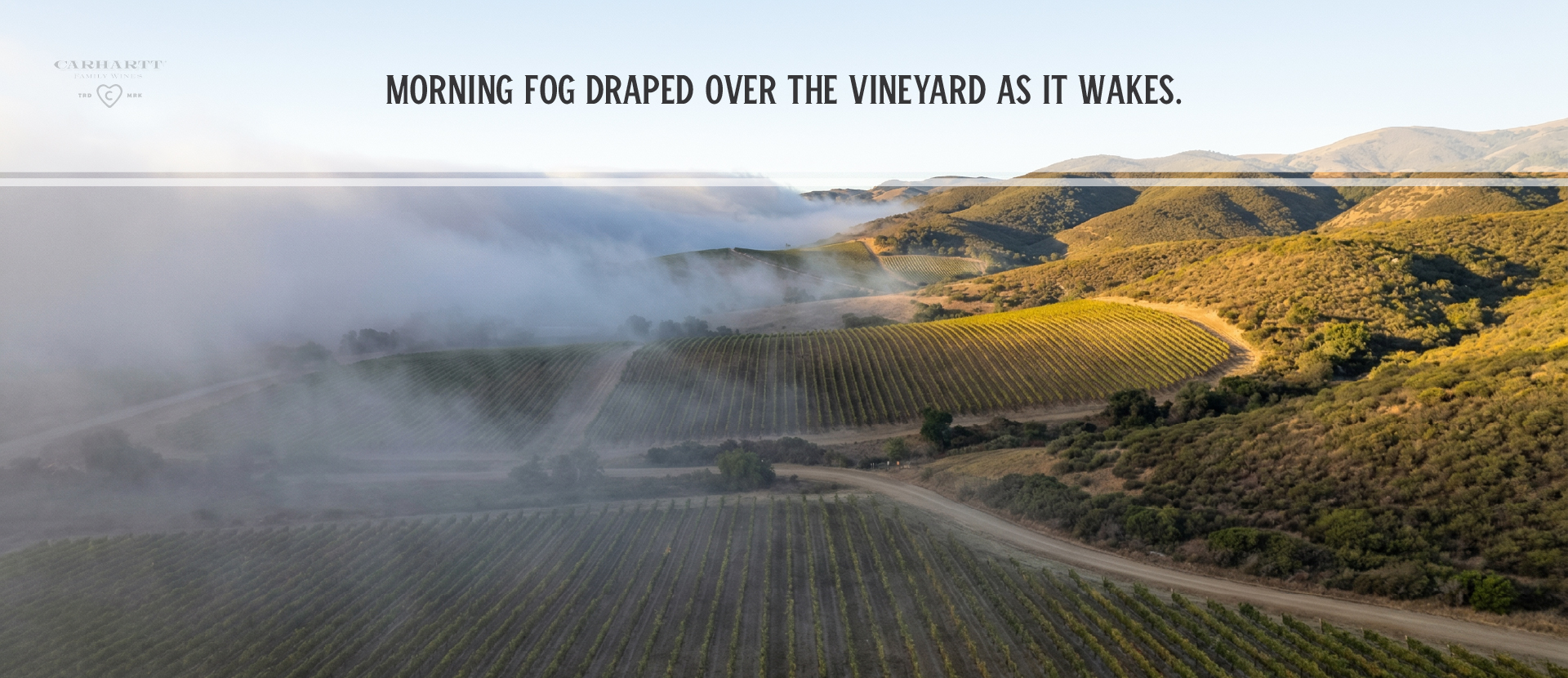
The biggest climate feature is our transverse mountain range, the Santa Ynez Mountains. It runs east to west, which is a real anomaly in California, where most ranges run north to south. That orientation sets up the entire flow of marine influence through the valley.
Here’s the simplest way I explain it to friends:
- Marine air funnels in from the west and northwest
- Western and central areas stay cooler because that air keeps moving
- The eastern end heats up because the air settles and warms once it has nowhere left to go
That’s why you can see a day where it’s around 70 degrees in the Sta. Rita Hills and closer to 90 in Happy Canyon, even though they’re roughly 20 miles apart in a straight line. In some spots, temperatures can shift by close to a degree per mile.
Another huge piece is the day-and-night swing. We get cold nights and warm days, and those diurnal shifts can get big. That matters because it helps us hold onto freshness and structure while still ripening fruit fully.
That climate pattern unlocks
- A wide range of grapes can thrive here
- Styles can vary dramatically depending on where the fruit is grown
- Freshness can stay intact even as ripeness comes in
When Santa Ynez Valley Feels Most Alive
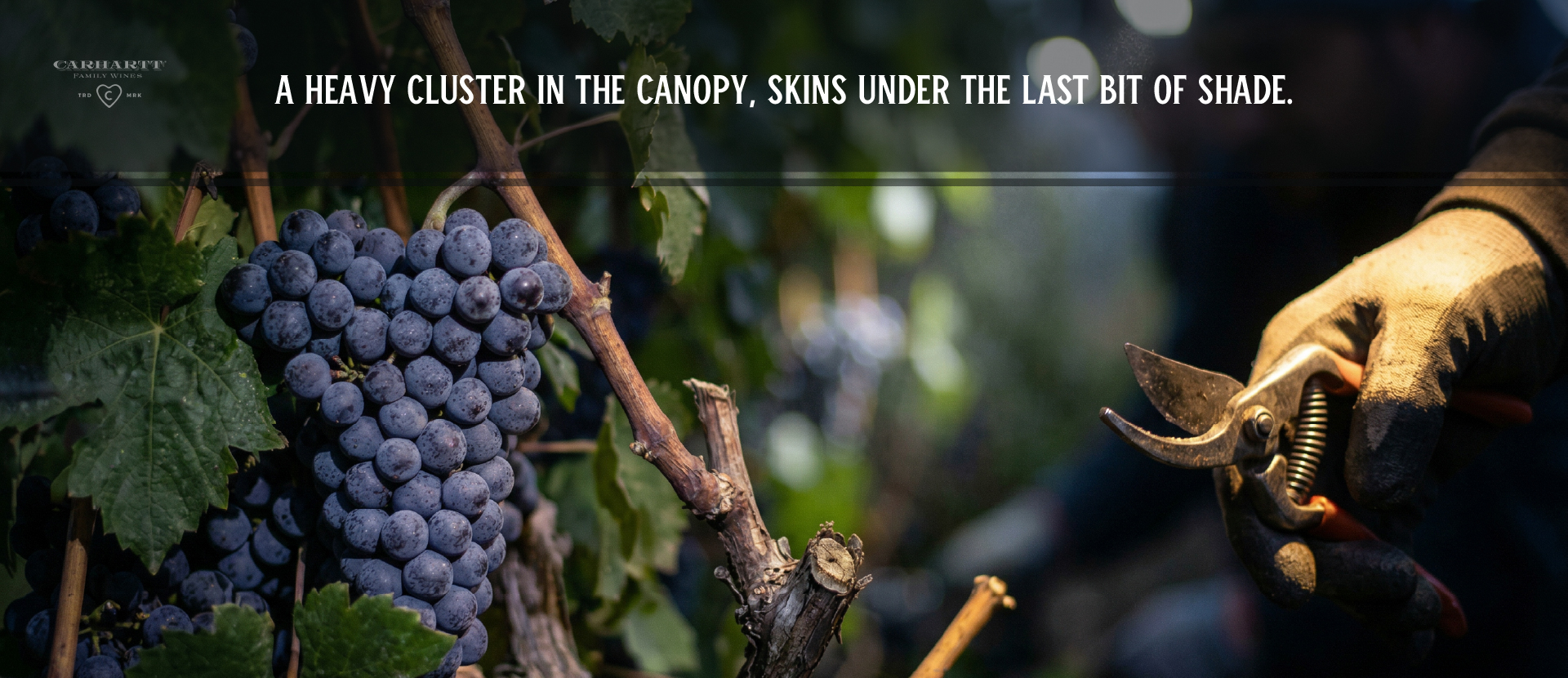
California is pretty forgiving year-round, but if you want to catch the valley at full energy, come during harvest. That’s typically September and October, and sometimes into November.
Harvest has a buzz to it:
- You’ll often see vineyard crews working early in the morning or at night
- You can feel the valley moving in rhythm, even if it looks calm from the road
- Some estates offer more immersive experiences while winemaking is actively happening
If you’re someone who likes to get closer to the process, harvest is the most exciting and memorable window. You can smell it, hear it, taste it, and feel it. All your senses are engaged.
A Weather Detail That Can Shape Your Day
Most days here are beautiful. If something changes your plan, it’s usually heat, not rain.
On warmer days, I always suggest building your day around comfort:
- Choose tasting rooms with air conditioning or intentionally cool indoor space
- Look for outdoor setups with shade and smart airflow
- Plan your tastings so you’re not stuck in the hottest part of the afternoon without a break
Rain is the other factor, but it’s usually manageable. Many tasting rooms in Los Olivos and across the valley have ample indoor space, so even on a rainy day, tastings can still feel relaxed.
Three Grapes That Represent The Valley
I don’t love putting the Santa Ynez Valley in one stylistic box, because the whole point is range. But if we’re talking about grapes that are planted at scale, have real history here, and help tell the story of the region, I’d point to:
- Sauvignon Blanc
- Pinot Noir
- Syrah
If you want a “Carhartt lens,” my answer shifts a little
- Sauvignon Blanc stays at the top for me
- Grenache is a standout because it performs across our microclimates
- Cabernet Franc thrives here in a way that keeps tension and freshness
Cabernet Franc is a great example of a Bordeaux variety that expresses itself in a distinctly Santa Ynez Valley way. We’re warm enough to ripen it fully, but cool enough to preserve lift, and the result often feels closer to the Loire Valley than to more opulent expressions you’ll find elsewhere in California.
What Stays Consistent, And What Changes With Vintage
If you’re wondering what’s most consistent year to year, riper styles tend to be easier to hit reliably. Higher ripeness and higher alcohol wines are often more predictable, because it becomes a matter of waiting for the fruit to reach a target.
Styles that lean into freshness, natural acidity, and earlier picking show more variation by vintage. Here’s why:
- Warm vintages force earlier decisions, sometimes before aromatics fully develop
- Cool vintages can deliver excellent physiological ripeness while keeping acidity strong
- The closer you work to the margins of balance, the more the vintage shapes the final wine
A Grape People Overlook Here
Merlot deserves more love in Santa Ynez Valley. It took a hit in popularity for reasons that had very little to do with the quality of the grape itself, and that’s a shame because it can be outstanding here.
What makes Merlot work in this valley:
- You get beautiful fruit maturity
- You avoid excessive greenness or harsh vegetal character
- You still retain freshness and natural acidity
In the right vintage, thoughtfully made Merlot from the Santa Ynez Valley can be incredibly delicious and, in my opinion, one of the most age-worthy varieties a winery here can offer.
Soils And How They Show Up In The Glass
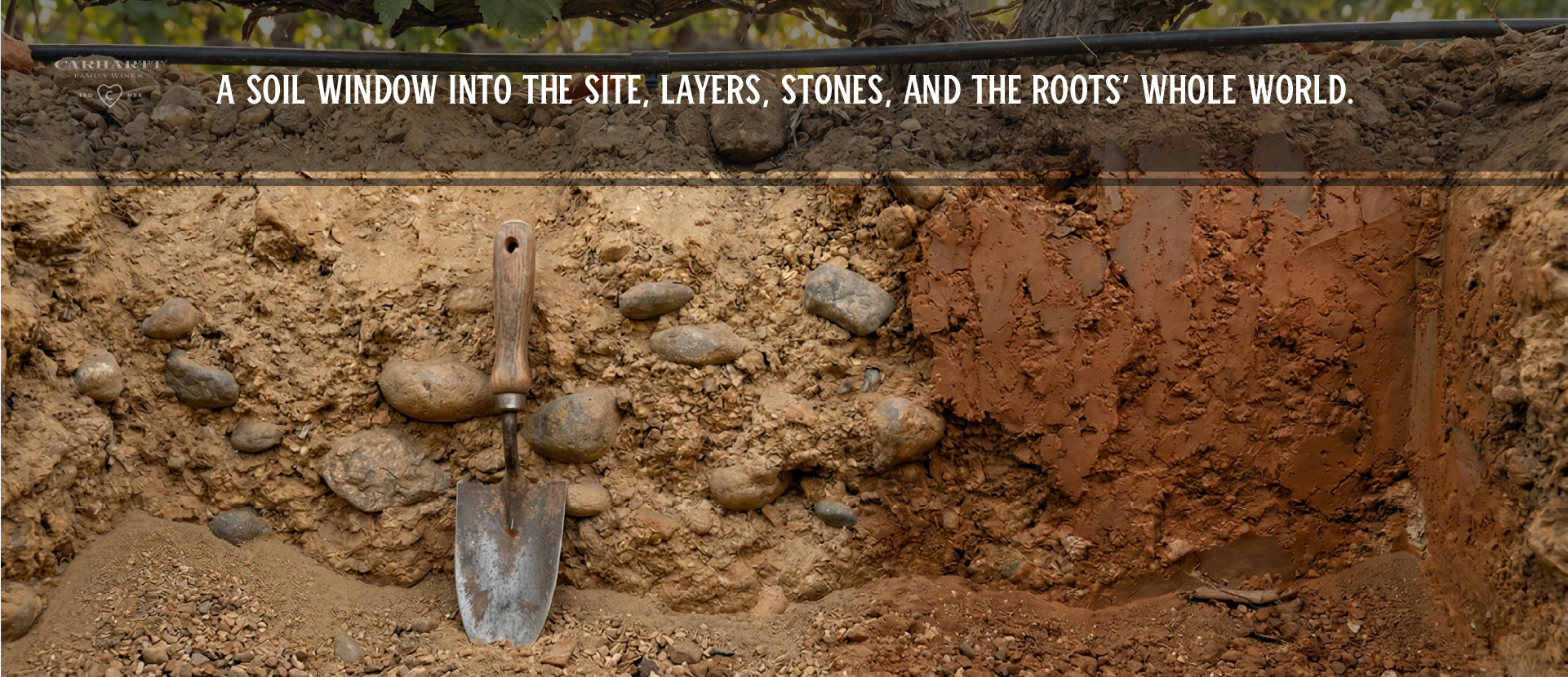
If I’m trying to connect soils to what you’ll actually feel in the wine, I keep it simple: soil structure shapes texture and structure.
A quick “taste translation” by area
- Sta. Rita Hills
- Lean, well-drained, sandy, and rocky soils
- Cool conditions gently stress vines
- Wines often show focus, brighter acidity, and finer texture (especially Pinot Noir and Chardonnay)
- Deeper Into The Valley (More Clay Influence)
- Heavier soils hold moisture more easily
- Vines can grow more steadily
- Wines often show a rounder mid-palate and richer mouthfeel, especially in warmer sites or vintages
If you ask me which vineyard factor I notice most in the finished wine, it’s soil. Slope and exposure matter, but soil dictates nearly every farming decision, and that influence shows up clearly in the glass.
How To Plan A Tasting Day Without Burning Out
If you’re tasting with any real focus on wine quality, three tastings in a day is about the maximum. Beyond that, palate fatigue becomes real, and by the fourth stop, most palates are simply shut down.
A simple tasting rhythm that works
- Tasting 1: late morning (around 11 a.m.)
- Lunch: keep it balanced, not heavy
- Tasting 2: early afternoon
- Reset: quick snack or short break
- Tasting 3: later afternoon
A few palate-fatigue tips I always share
- Avoid overly rich or spicy meals mid-day
- Keep snacks light: crackers, bread, or a small amount of cheese
- Drink water consistently, not just when you remember
And here’s one question that almost always makes the day better, even more than asking about a specific wine: “Where should we go next, and where’s your favorite place to eat?”
Locals and tasting room teams are a source of truth. When you ask people who live and work here where they actually spend their time, you get better recommendations and a more memorable day.
Why Being Hands-On From The Ranch Forward Matters To Me
Farming is the single biggest influence on the style of our wines. When you grow and farm your own fruit, you’re not guessing. You’re making decisions based on what each block is doing in real time, and that changes everything.
What that hands-on approach looks like in practice
- We focus on healthy, balanced vines and clean fruit
- We’re not overcropping
- We manage vine health at a granular level
- We don’t rely on pesticides or herbicides
Those farming choices carry all the way through to the bottle. Decisions around irrigation, pruning, and overall vineyard management influence acidity retention, balance, and harvest timing. We can pick different blocks at different times based on how they’re performing, rather than forcing everything into a single decision. In the end, that thoughtful, hands-on farming is a big part of what defines our style.
If you’re planning a Santa Ynez Valley day and you want it to feel intentional, keep it simple
- Follow the temperature gradient as you move through the valley
- Keep the pace to three tastings
- Lean on the tasting room for food and other recommendations
The valley rewards curiosity, and the best experiences usually come from staying present enough to notice the details.